
In cybersecurity, we know that threats evolve fast—and so must the technology designed to defend against them. That’s why at Lumu, we’ve always focused on building solutions that meet the needs of modern networks: cloud-first, hybrid, and dynamic.
Recently, Gartner released its first Magic Quadrant for Network Detection and Response (NDR), and Lumu was not included. I want to address this directly because many customers and partners have asked why.
The reason is simple:
Gartner’s criteria for inclusion still require NDR products to be deployable fully on-premises and capable of operating without any connection to the internet. In other words, solutions must fit an outdated model built for yesterday’s network architectures—ones that no longer reflect how most organizations operate today.
At Lumu, we made a different choice. We embraced the future.
Our platform was built cloud-native from the start because:
- Modern networks aren’t limited to on-premises data centers—they extend to remote workforces, cloud apps, and mobile devices.
- Threat detection today demands scale and speed—analyzing billions of network flows in real time, something only the cloud can do efficiently.
- AI-driven analytics and automation are core to effective defense, and they thrive in a cloud environment.
History has shown what happens when innovation is initially overlooked:
- Datadog disrupted observability by eliminating on-premises infrastructure.
- Zscaler redefined network security without traditional firewalls.
- CrowdStrike led the shift to cloud-native endpoint protection.
In each case, these companies faced early skepticism because they didn’t fit into legacy molds. Today, they are leaders precisely because they reimagined their categories.
Network Detection and Response Is undergoing the same transformation.
Organizations no longer have the time, resources, or security appetite for complex on-prem appliances that are costly to manage and slow to scale. They need real-time threat detection, flexible deployment, and AI-powered insights that only a cloud-native platform can provide.
This is why thousands of companies trust Lumu to deliver the network threat visibility and rapid response they need to stay ahead of attackers. You may see some of our customer stories here.
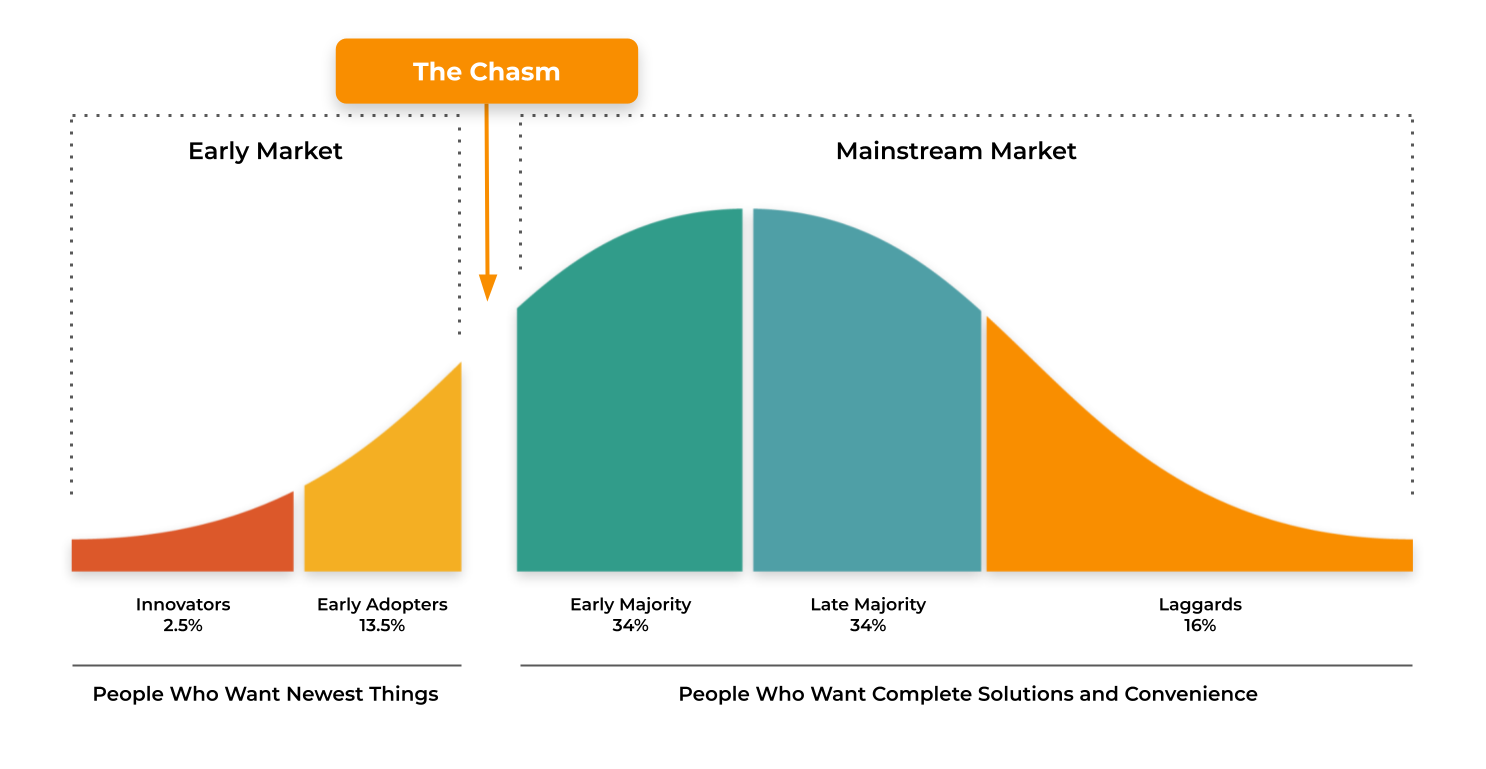
While Gartner’s Magic Quadrant remains a respected resource, it’s important to understand that it doesn’t always capture the full picture, especially when it comes to innovation. At Lumu, our customers are different. They are visionaries and early adopters, organizations that understand modern cybersecurity challenges require modern, cloud-native technologies that consistently deliver significant returns on investment. They aren’t waiting for the market to catch up; they are leading it.
In any technology adoption lifecycle, early adopters drive the breakthroughs that late adopters eventually follow. We will continue to focus on what matters most: helping companies of all sizes and industries detect compromises in real time, automate response effectively, and operate cybersecurity proficiently. Innovation doesn’t wait for traditional validation—it drives the future, and so do our customers.
And lastly, as a founder, I make decisions and compromises for my business every day, that’s part of building a great business. But one thing I will never compromise is my vision. That means staying true to an architecture built for the future, even if in the short term it means losing some deals or being excluded from reports that don’t yet reflect where the industry is headed. We are committed to serving the real needs of our customers and leading the evolution of cybersecurity, not conforming to outdated expectations. Category-changing innovation requires conviction and understanding that not everyone will be on board at the same time.
Thank you to all the innovators and visionary customers, partners, and supporters who see the future of cybersecurity operations with us.