

Table of Contents
When adversaries weaponize automated exploits in milliseconds, defense can no longer operate at human speed.
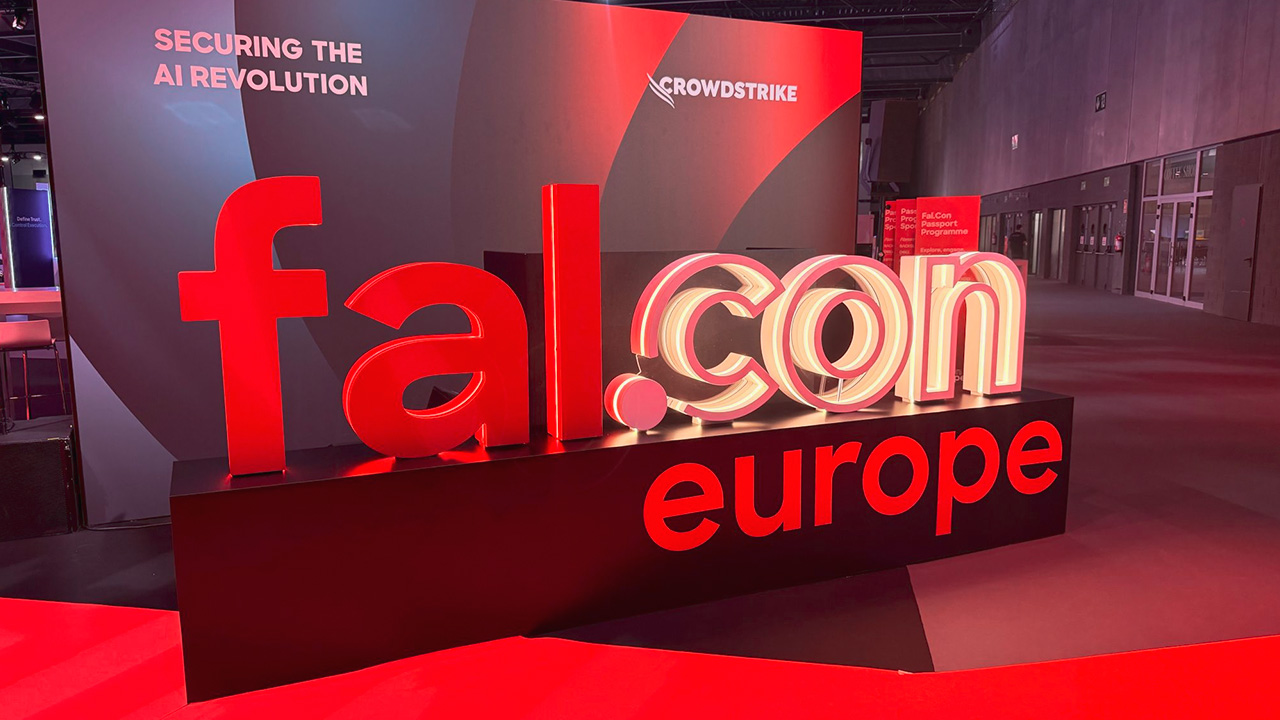
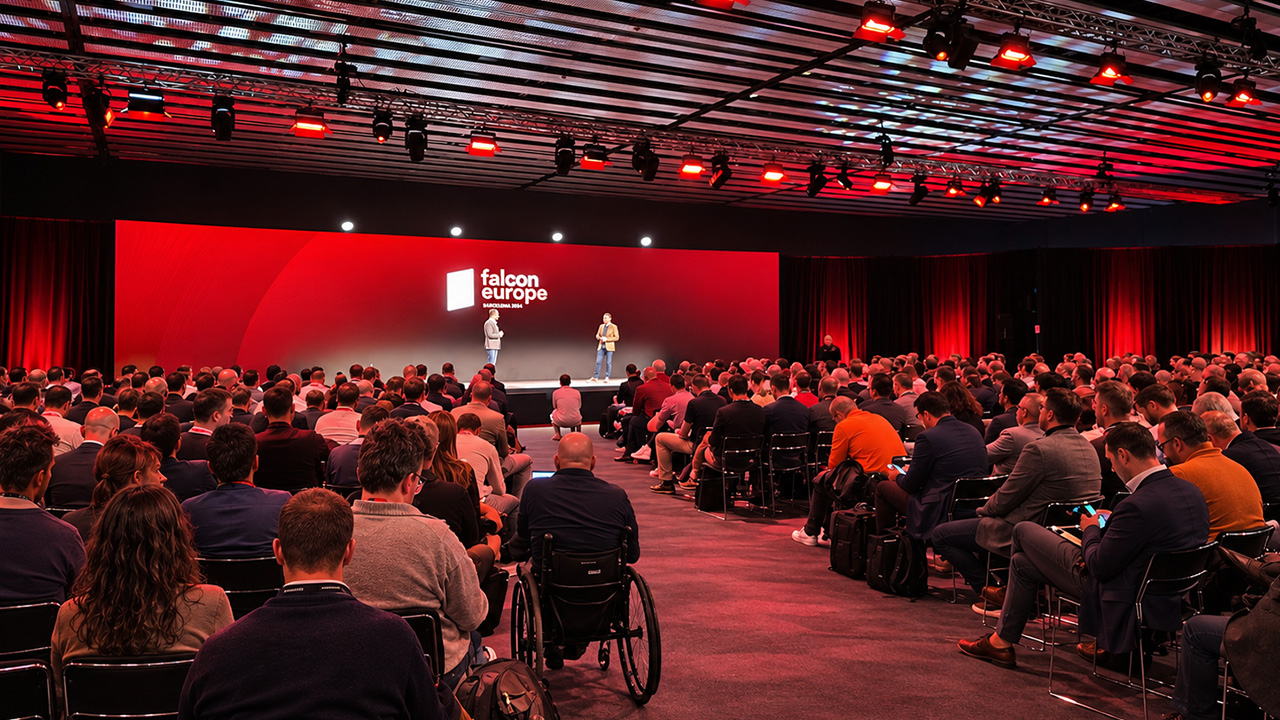
The agentic era is transforming every facet of enterprise technology and cybersecurity is at the center of this revolution. Walking the floor at Fal.Con Europe 2026 in Barcelona, I saw industry leaders gather to address a critical question: how do security teams keep up in the AI era?
The resounding answer is that we need to fundamentally change our approach to defense. Traditional, siloed security models are no longer sufficient.
As adversaries leverage machine-learning pipelines and automated exploit generation to speed up the attack lifecycle, organizations must evolve beyond reactive defense and embrace unified, intelligence-driven operations.
Quick Facts: Key Takeaways from Fal.Con Europe
|
The Power of Collective Defense in the AI Era
A central theme echoed across keynote stages and floor conversations in Barcelona was clear: Modern cyber defense cannot be achieved in isolation.
The sheer velocity of AI-driven threat vectors means that relying solely on internal telemetry places any organization at a severe disadvantage.
Discussions at Fal.Con Europe reinforced that fighting agentic threats demands strong community collaboration, shared threat intelligence, and seamless partnership across the cybersecurity ecosystem. By pooling anonymized threat telemetry and real-time Indicators of Compromise (IOCs) security teams can spot emerging adversary tactics before they propagate widely.
Security is no longer just an internal IT responsibility. It requires collective intelligence and shared defense strategies. Security leaders must foster partnerships across industry verticals, vendors, and public-private alliances to build a resilient frontline defense.
Adversaries Weaponizing AI in the New Threat Reality
Threat actors are rapidly weaponizing AI to automate attacks, craft hyper-targeted exploits, and bypass legacy defenses. From generative phishing campaigns that mimic corporate voices with terrifying accuracy to autonomous scanners that probe infrastructure vulnerabilities in milliseconds, adversaries are operating at unprecedented speed.
In discussions with CISOs throughout the week, one distinction came up repeatedly: the difference between being secure and being resilient. Being secure is about stopping known threats, but resilience means anticipating machine-speed attacks and recovering gracefully when incidents occur.
| Dimension | Legacy Focus (Static Defense) | Modern AI-Era Focus (Resilient Defense) |
|---|---|---|
| Primary Objective | Stopping known signature-based threats | Continuous detection, adaptation, and rapid recovery |
| Execution Speed | Manual triage and human response cycles | Automated, machine-speed response with AI agents |
| Operational Scope | Isolated departmental toolsets | Unified visibility across IT, SOC, and compliance |
Unifying Visibility and SecOps: ‘SecOps for All’
Discussions across Fal.Con Europe reinforced the reality that organizations cannot protect what they cannot see.
Achieving true cyber resilience requires breaking down tool sprawl and aligning operations around three critical capabilities:
- Single Console Architecture: Fragmented security tools create dangerous blind spots. A unified, single-console architecture enables ‘SecOps for All,’ democratizing security context across IT, SOC, and compliance teams. When teams operate from a single source of truth, cross-departmental friction vanishes.
- Simplifying Collaboration: When security data and operations are simple and easy to work with across teams, response times drop dramatically. Analysts no longer waste critical minutes toggling between disconnected dashboards or manually translating data formats during an active incident.
- Solving the Compliance Dilemma: Beyond operational defense, organizations face strict regulatory scrutiny. A unified console allows security teams to continuously show they are secure and compliant without adding operational friction. Continuous compliance auditing becomes an automated byproduct of everyday security operations.
A Roadmap for Resilient Security in the AI World
Pulling together what I saw in the technical sessions and executive panels across the event, a clear roadmap emerged for organizations seeking sustainable security, centered on three core pillars:
- Tightening Tech Ecosystems: Integrating technology stacks into a cohesive ecosystem so tools work in unison rather than in isolation. Disparate point solutions must be consolidated or linked via robust APIs to ensure seamless context sharing across identity, endpoint, cloud, and network layers.
- Agentic AI for IT and SecOps: Deploying intelligent, autonomous AI agents to handle complex workflows, threat analysis, and automated remediation at machine speed. These agents serve as force multipliers for human analysts, triaging alerts and executing routine containment actions instantaneously.
- Controlled Access to the Agent: Establishing robust governance, identity control, and runtime guardrails around AI agents to ensure safe, traceable, and trusted operations. Powerful AI capabilities require Zero Trust access controls, comprehensive audit logging, and strict boundary rules to prevent unintended actions or adversarial exploitation.
Navigating the AI era requires moving away from fragmented tools toward unified visibility, collaborative communities, and autonomous agentic AI. By building resilience and tightening our technology ecosystems, organizations can enable the safest security for the future. The strategies shared at Fal.Con Europe 2026 clearly demonstrate that while AI accelerates adversary tactics, it also equips teams to build a faster, smarter, and far more resilient defense.
To see how unified visibility can illuminate active threats across your network, open a free Lumu account and put ‘SecOps for All’ into practice.


Share this post